Understanding Builds Connection: Two Caregiving Stories Across Time and Distance
I grew up in Nantou and later moved north for work. As my grandparents grew older, our family hired a foreign caregiver. But the language barrier made every conversation difficult and exhausting. My grandmother often became frustrated because she felt she could not make herself understood, while the caregiver felt helpless because she could not understand what was being said. At the time, I believed that the relationship between an employer and a caregiver was destined to be nothing more than an uneasy arrangement in which both sides simply had to endure.
“If the caregiver who came to our home back then had spoken a little Chinese, would my grandfather have received better care?”
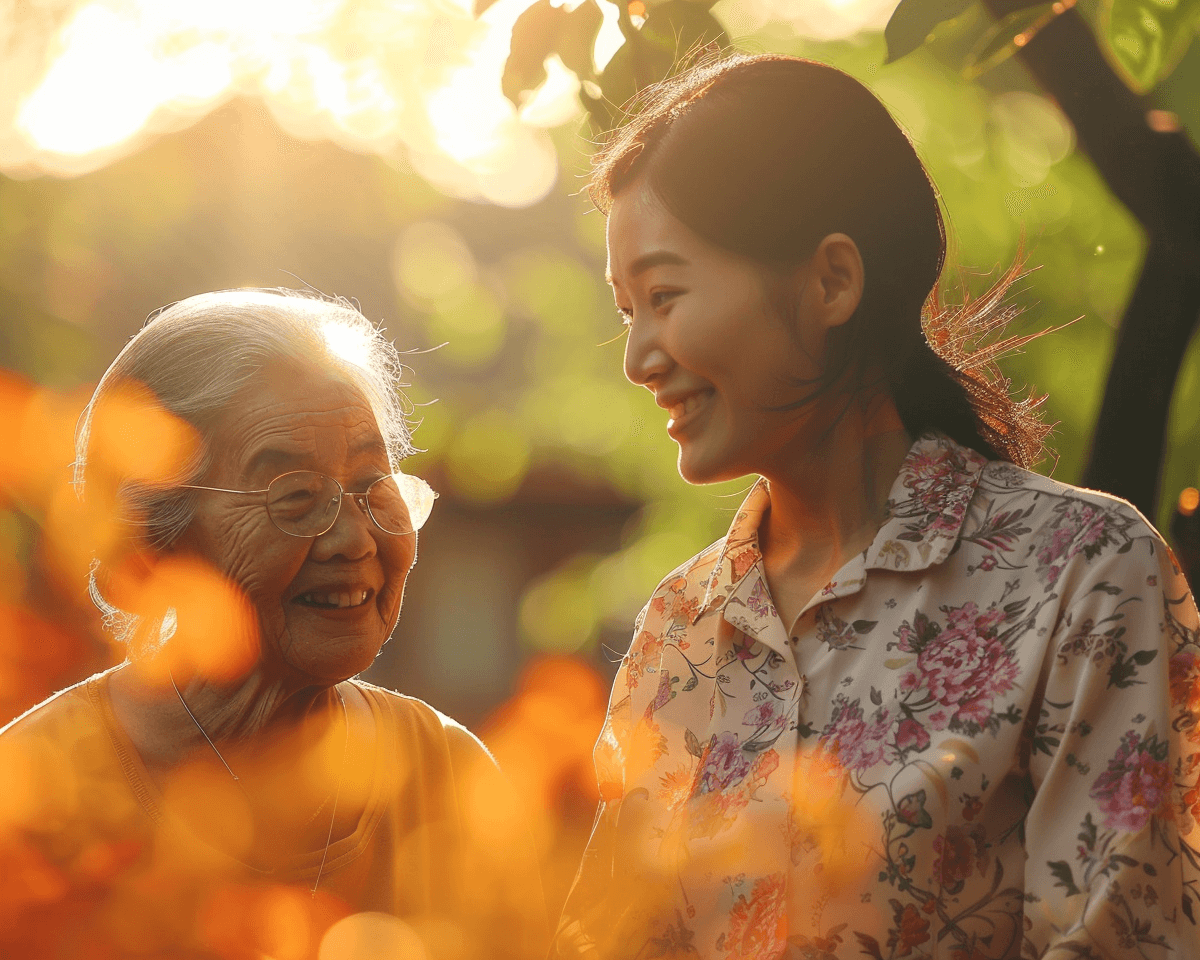
Years later, at Mrs. Chen’s home, I witnessed a completely different story. By the side of Mrs. Chen, who was living with terminal cancer, was Anita, a Filipino caregiver who had been in Taiwan for more than ten years and spoke fluent Mandarin. Despite the pain of her illness, Mrs. Chen only had to give instructions from the kitchen, and Anita would immediately understand, preparing the ingredients and cooking with effortless coordination. Mrs. Chen often joked that Anita’s cooking was good enough for her to open a restaurant when she returned home. The two were always together, talking and sharing stories, as close as a mother and daughter. It was then that I finally understood: communication is the soul of care.
In 2025, more than 210,000 families in Taiwan relied on foreign caregivers. We founded “Jiahu Tong” to harness the power of technology and break down language barriers for these families.
About the Development Team
We are a team committed to creating meaningful social impact, bringing together care specialists, linguists, and AI engineers. Our goal is to build Southeast Asia’s largest service ecosystem for migrant workers.